
Impact of Mahakumbh on the Environment and How You Can Help?
Introduction
Mahakumbh, one of the grandest religious and cultural events, draws millions of devotees to the banks of the holy rivers every 12 years. While the spiritual and cultural significance of Mahakumbh is immense, the environmental impact it creates cannot be overlooked. The sheer scale of human participation has considerable consequences on the local ecosystem. From waste generation to water pollution, the effects on nature can be daunting.
In this blog, we will explore how Mahakumbh affects the environment and how every individual can play a role in reducing its impact.
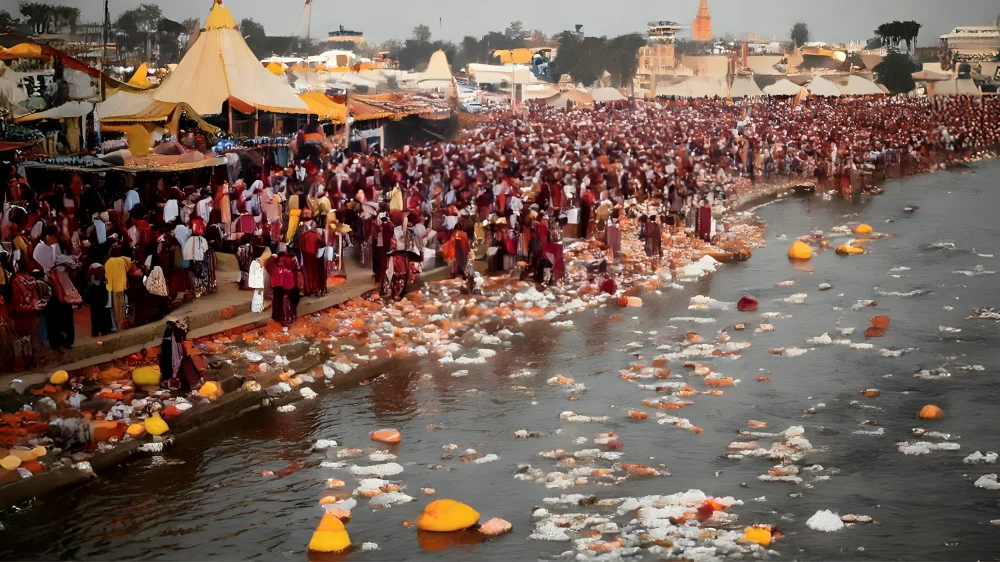
- Water Pollution
During Mahakumbh, millions of people gather to take a holy dip in rivers like the Ganges, Yamuna, and Saraswati. This surge in human activity, coupled with rituals and offerings, leads to a significant rise in water pollution. Flower garlands, food items, plastic waste, and human waste often end up in the water bodies, affecting the aquatic life and degrading water quality.
- Waste Generation
With millions of visitors converging at the Mahakumbh, waste management becomes a massive challenge. The event sees the generation of tons of solid waste, including plastics, food wrappers, and disposable items. Often, improper waste disposal leads to littering, which not only pollutes the environment but also poses a serious threat to local wildlife.

- Deforestation and Habitat Disruption
To accommodate the influx of pilgrims, large areas are cleared for temporary settlements, parking, and other facilities. This results in deforestation, which can have long-term effects on the local flora and fauna. The creation of temporary infrastructure often disrupts the natural habitats of animals and leads to biodiversity loss.
- Air Pollution
Mahakumbh witnesses an exponential rise in vehicular traffic as devotees from across the country arrive at the site. The increase in transportation contributes to higher carbon emissions, deteriorating the air quality in the region. Additionally, the large-scale burning of wood for cooking and rituals adds to the environmental burden.
- Pressure on Resources
The massive gathering puts immense pressure on local resources such as water, food, and sanitation facilities. The demand for water increases drastically, which can deplete local water sources and strain the local supply system. Furthermore, improper sanitation and limited waste management systems can lead to public health concerns and environmental degradation.
How You Can Help Minimize the Impact of Mahakumbh?
While the challenges posed by Mahakumbh on the environment are significant, there are ways to mitigate its impact. By adopting sustainable practices and raising awareness, individuals can contribute to preserving nature during this massive event.
- Participate in Cleanliness Drives
One of the simplest and most effective ways to help is by participating in cleanliness drives. Volunteering to clean up the riverbanks, streets, and temporary settlements can reduce littering and minimize pollution. These efforts ensure that waste is properly disposed of, and the environment remains cleaner.
- Reduce Plastic Usage
Reduce your usage of single-use plastics during Mahakumbh to help save the earth. To cut down on plastic waste, bring reusable containers, bottles, and bags. Urge others to refrain from leaving non-biodegradable objects lying about.

- Choose Eco-Friendly Rituals
Instead of using non-biodegradable items for rituals, opt for eco-friendly materials like clay diyas, paper flags, and organic flowers. Avoid releasing plastic-wrapped offerings into the river, as these materials pollute the water and harm aquatic life.
- Use Public Transportation or Carpool
Air pollution may be considerably reduced by reducing the number of automobiles on the road. To cut down on carbon emissions, take public transportation or carpool with others. Another great strategy to reduce your carbon footprint is to walk or ride a bicycle for shorter distances.
- Support Sustainable Initiatives
Support organizations that promote environmental sustainability during Mahakumbh. Many NGOs and local bodies work towards eco-friendly waste management, water conservation, and reforestation efforts. Donating or volunteering with these groups can amplify their efforts and contribute to preserving the environment.
Conclusion
Mahakumbh is a sacred event that holds immense cultural value, but it also presents environmental challenges that need to be addressed. By making small but impactful changes in how we participate in the festival, we can help reduce the ecological footprint of Mahakumbh. From reducing plastic waste to supporting sustainability initiatives, every individual effort counts in protecting the environment for future generations.
Make this Mahakumbh not only a spiritual journey but also an opportunity to connect with nature and ensure its preservation.


